
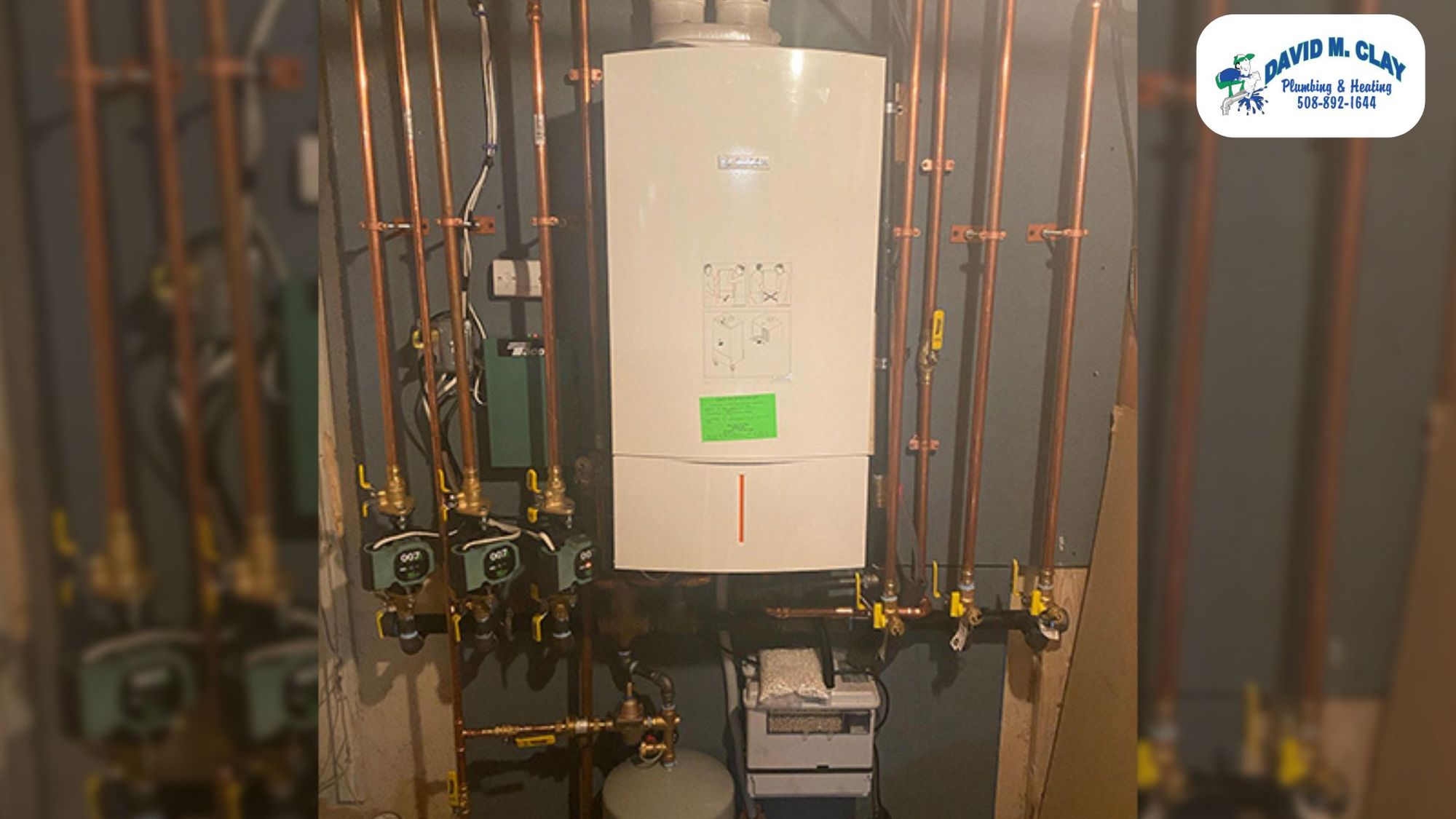
Steady heat shouldn't feel like a lucky break; it should be a guarantee. Most homeowners don't realize that a gas boiler is essentially a controlled explosion managed by a computer. When the system isn't maintained, those controls have to work twice as hard to compensate for dirt and wear. This leads to "ghost" problems—strange noises, uneven room temperatures, and bills that keep climbing for no reason. Getting a gas boiler service in Worcester isn't just about preventing a breakdown; it is about reclaiming the peak efficiency of your system. A properly calibrated boiler runs so smoothly you’ll forget it’s even there, providing a level of consistent comfort that a neglected unit simply can't match.
The Physical Relationship Between Clean Burners and Steady Heat
A gas burner needs a precise mixture of fuel and oxygen to create a stable flame. Over months of operation, dust and microscopic debris from the air settle on the burner ports. This creates an uneven flame that flickers or burns yellow instead of a crisp, hot blue. An unstable flame cannot transfer heat effectively to the water sitting just above it. You might notice that the boiler stays on for long periods but the house never quite reaches the desired temperature. This happens because the energy from the gas is being wasted on a "lazy" flame that lacks the intensity needed for quick heat transfer. Cleaning these components restores the sharp thermal profile necessary for rapid response times. When the burner is clean, the system hits its target temperature faster and shuts off sooner, saving you money.
Managing the Hidden Friction of Internal Mineral Deposits
Water is the lifeblood of your heating system, but it also carries minerals that love to stick to hot metal. Every time the boiler fires up, tiny amounts of scale settle on the inside of the heat exchanger. Think of this buildup like a layer of insulation placed between the flame and the water. It forces the metal to become dangerously hot just to get the water to a lukewarm state. This internal friction causes the metal to expand and contract more violently than it should, leading to the cracks that eventually kill a boiler. A well-maintained system has these deposits flushed out or treated with inhibitors to keep the surfaces smooth. Without that rocky barrier, the heat moves through the metal into the water almost instantly. This creates the "punchy" and reliable heat output that keeps a large house feeling cozy.
Why Pressure Stability Is the Key to Quiet Pipes
If you hear banging or whistling sounds coming from your walls, your system is likely struggling with pressure imbalances. Gas boilers rely on a delicate equilibrium between water volume and air pockets. The expansion tank acts as a shock absorber for the system as the water heats up and grows in volume. If that tank loses its air charge, the pressure spikes and forces the safety valve to leak. Conversely, if air gets trapped in the lines, it creates "cold spots" where the heat simply cannot travel. A professional Worcester boiler service includes checking these pressure levels to ensure the water circulates without resistance. When the pressure stays within the manufacturer’s specified range, the pump doesn't have to strain, and the heat reaches every corner of the house simultaneously.
Strategic Checklist for Annual Boiler Performance
- Lubricating Moving Parts: Reducing friction in the fan motor and pump housing prevents mechanical seizures during high-demand periods.
- Testing Safety Limits: Every boiler has a high-limit switch that prevents it from turning into a steam explosion; this must be tested annually to ensure it still works.
- Tightening Electrical Terminals: Vibration from the pump and fan can loosen screws over time, leading to arcing or burnt-out control boards.
- Inspecting Gaskets and Seals: Heat makes rubber and fiber gaskets brittle; replacing a five-dollar seal now prevents a five-hundred-dollar water damage repair later.
- Checking System pH Levels: Water that is too acidic or too alkaline will eat through the copper pipes or the aluminum heat exchanger from the inside out.
Balancing the Flow for Multi-Zone Households
Many homes in the area use different zones to heat bedrooms and living areas independently. This is a great way to save money, but it adds layers of complexity to the boiler’s job. Zone valves can become stuck in a partially open position, "stealing" heat from one room and dumping it into another. If the boiler doesn't realize only one small zone is calling for heat, it might produce too much energy, causing the system to cycle on and off rapidly. This "short cycling" is the primary cause of premature component failure. Maintenance includes checking that each zone opens and closes correctly and that the boiler adjusts its firing rate to match the load. A balanced system ensures that you aren't paying to heat the guest room just to get the kitchen warm.
Professional Care for Lasting Home Comfort
Keeping a gas boiler in peak condition requires a mix of mechanical skill and a deep understanding of local heating needs. Clay Plumbing & Heating provides the technical expertise necessary to keep these essential systems running smoothly year after year. The technicians focus on the specific variables that impact heat output, from cleaning combustion chambers to calibrating digital sensors. They look for the early indicators of wear that often lead to mid-winter breakdowns, allowing for repairs to be made on a planned schedule. By choosing a team that prioritizes thoroughness over speed, homeowners can enjoy a heating system that remains efficient and safe. Their work ensures that every unit they touch operates at its highest potential, providing peace of mind through every season.