
Your ankles are soaking. A rhythmic drip-drop just became a rushing torrent. Your hallway is now a shallow river, and the panic is starting to settle in your chest. Before you grab your phone to search for a plumbing company in Worcester, MA, you need to act. The next five minutes determine if you face a minor repair or a total floor replacement. You must find the main water shut-off valve immediately to stop the flow. Once the water is off, clear the area of electronics and valuables to prevent permanent damage. Open your lowest faucets to drain the remaining pressure from the pipes. Check your water heater to ensure it won’t burn out without a water supply. Finally, document everything with photos for your insurance claim.
1. Find the Main Water Shut-off Valve Immediately
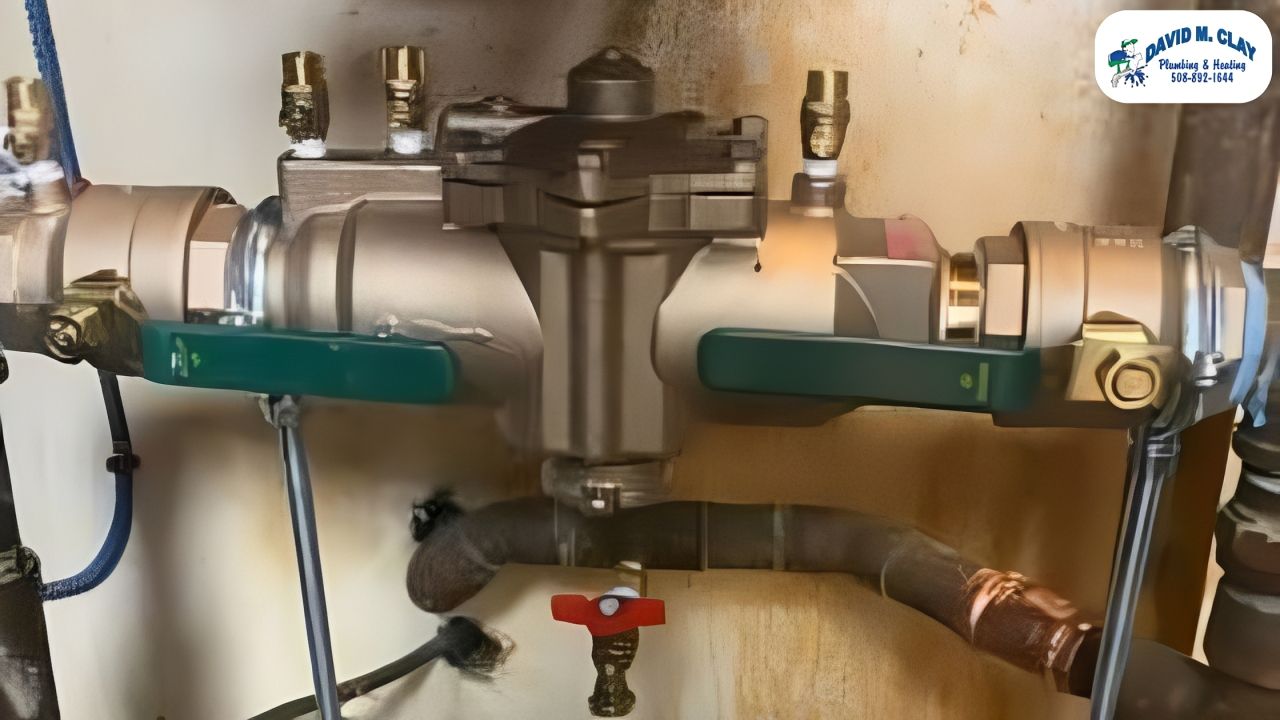
Locating the main shut-off is your most urgent task. Every second the water flows, your repair bill climbs. Most homes have this valve in the basement or a utility closet near the front of the house. Look for a large lever or a wheel located on a heavy pipe entering through the wall. Turn it clockwise until it stops moving completely. If the lever is parallel to the pipe, the water is on; turn it so it stands perpendicular. You might find it near the water meter if your home is on a municipal line. Households on well systems usually find the shut-off near the pressure tank. Memorizing this location before a crisis happens saves thousands of dollars in restoration costs.
2. Clear the Path and Save Your Electronics
Water moves fast and seeps into porous materials instantly. Move rugs, small furniture, and cardboard boxes to a dry room or a higher floor. Focus on electronics first because water and electricity are a lethal combination. Unplug devices only if you can do so safely without stepping in puddles. Water wicks up drywall and settles under baseboards, so clear the perimeter of the affected room. Wet vacuums are helpful here if the flooding is manageable. Getting items off the ground prevents mold growth and permanent warping of wooden furniture legs. Speed is the priority here to minimize the total loss of personal property.
3. Drain the Remaining Lines to Relieve Pressure
Closing the main valve stops new water from entering, but gallons remain trapped in your pipes. Gravity will pull that remaining water out through the leak unless you give it a better exit. Head to the lowest level of your home, like a basement sink or an outdoor spigot. Open those taps fully to let the system bleed out. You should also turn on the hot and cold taps on the upper floors to break the vacuum. This action directs the residual water into your drains instead of onto your floor. It effectively "empties the tank" of your home’s internal plumbing system.
4. Protect Your Water Heater and Heating Elements
Empty pipes pose a massive risk to your water heater. Most units rely on a constant supply of water to prevent the internal elements from overheating. If the tank drains while the power or gas is still on, the unit could sustain internal damage. Locate your water heater and turn off the power at the circuit breaker or flip the gas control to the "pilot" or "off" setting. This precaution is vital for anyone seeking plumbing and heating in Worcester, MA, as a burnt-out heater is an expensive addition to a simple leak. Keep the unit off until the water supply is restored and the tank is full again. Preventing a dry-fire situation is much easier than replacing a cracked glass lining or a fried electric coil.
5. Document the Damage for Insurance Purposes
Grab your smartphone before you start the heavy cleanup. Take clear videos and photos of the source of the leak and the extent of the puddles. Capture images of damaged drywall, soaked carpets, and ruined furniture. Insurance adjusters require evidence of the initial state to process claims accurately. Keep any failed parts, like a burst pipe segment or a cracked nut, after the repair is done. Documentation provides a paper trail that proves the severity of the incident. These visuals help professional technicians identify the root cause faster once they arrive.
- Check the ceiling: Look for sagging or discoloration in rooms below the leak.
- Safety first: Avoid touching light switches if water is dripping through the ceiling.
- Ventilation: Open windows and run fans to start the drying process immediately.
Bottom Line
Standing in a flooded kitchen feels overwhelming, but following these steps puts the control back in your hands. Taking fast action limits the structural damage to your flooring and walls. Once the immediate danger is over and the water is off, a professional can step in to provide a permanent fix. Clay Plumbing & Heating handles these emergencies with the technical skill required to get your home dry and functional again. They provide reliable repairs and system inspections to ensure your pipes stay secure. Contacting a reputable plumbing company in Worcester, MA, is the final step in moving past the crisis. Keeping their number on your fridge ensures that help is always a quick call away.