
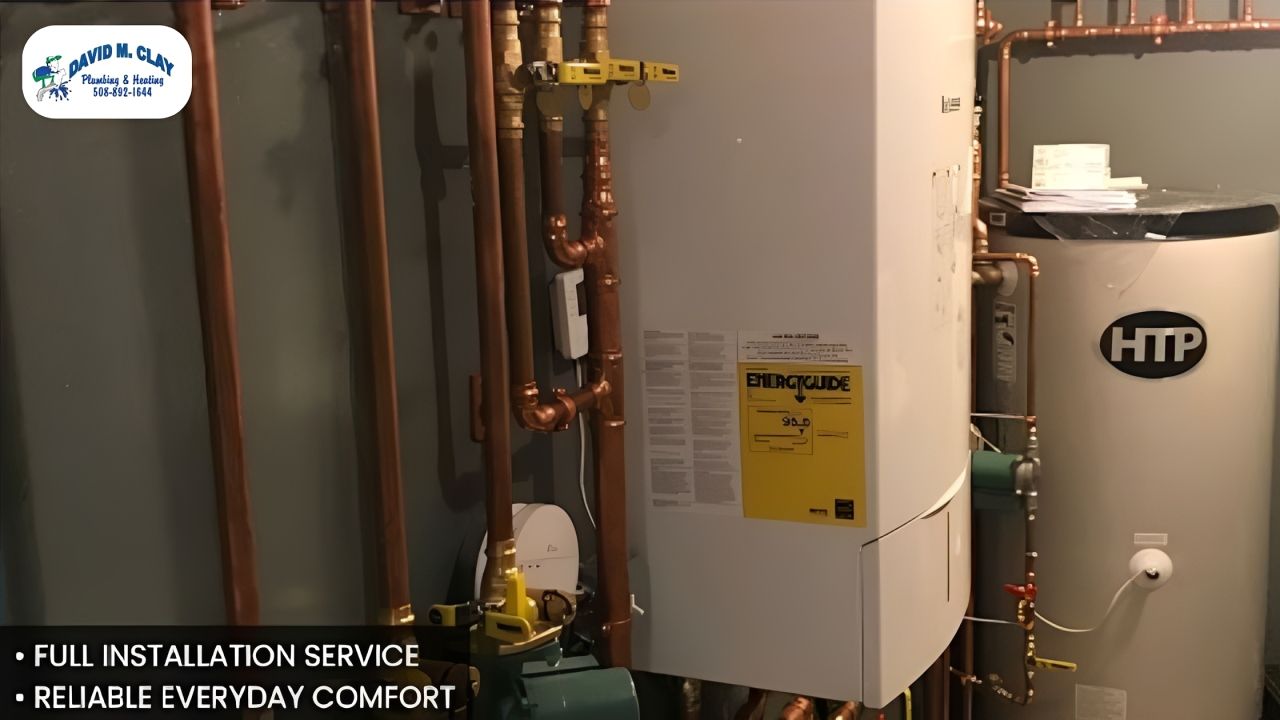
Selecting between a traditional storage tank and a modern tankless system depends on your household's peak water usage, available utility space, and long-term budget goals. A storage tank offers a lower upfront cost and a ready reservoir of hot water, while a tankless unit provides an endless supply and takes up significantly less room. Most homeowners find that the decision hinges on how many showers, sinks, and appliances run simultaneously during the busiest hour of the day. Scheduling a professional water heater installation in Worcester allows you to size the unit correctly for your specific floor plan, ensuring you never run out of hot water during a cold Massachusetts morning.
Mechanics of Traditional Storage Tanks
Storage water heaters remain the most common choice for residential properties because of their straightforward design and reliable performance. These units work by keeping a large volume of water—typically 40 to 60 gallons—at a constant temperature inside an insulated cylinder. A sensor detects when the internal temperature drops below a certain threshold, triggering the heating elements or gas burner to kick back on. This ensures that a large amount of hot water is available the moment you open a faucet.
The design's main flaw is heat loss, as the unit reheats water even when no one is home. Newer tanks feature much thicker insulation than older models to combat this "standby" energy waste. These systems are generally easier to install because they use standard venting and electrical connections that already exist in most local basements. If you have a large family that needs to use multiple bathrooms at the exact same moment, a high-capacity tank can often deliver that initial burst of volume more effectively than a standard tankless setup.
Advantages of On-Demand Tankless Technology
Tankless water heaters operate on a completely different principle by heating water only when a tap is turned on. Cold water flows through a high-powered heat exchanger, which flash-heats the liquid to your desired temperature in seconds. You are no longer limited by the size of a tank, meaning you can run the shower for an hour without the water ever turning cold. Energy savings are often significant because the unit sits completely idle until it detects a demand for flow.
Space-constrained homes benefit immensely from the wall-mounted design of these systems. A tankless unit is roughly the size of a small suitcase, freeing up valuable floor space in a laundry room or utility closet. These appliances also tend to have a longer lifespan, often lasting twenty years or more compared to the twelve-year average of a storage tank. While the initial purchase price is higher, the combination of lower monthly gas bills and a longer replacement cycle makes them a financially sound choice for many residents.
Evaluating Your Household Hot Water Demand
Determining which system fits your lifestyle requires a realistic look at your daily routine. A single person living in a condo has vastly different requirements than a family with three children and a high-efficiency washing machine. You must calculate the total gallons per minute (GPM) your home might use during its busiest hour to ensure the heater can keep up.
- Shower Usage: A standard shower head uses about 2.5 gallons per minute, while luxury rain heads can use significantly more.
- Simultaneous Tasks: Think about whether you frequently run the dishwasher while someone is bathing, as this doubles the load on the system.
- Inlet Water Temperature: Groundwater in New England gets very cold in the winter, meaning your heater has to work harder to raise the temperature compared to homes in warmer climates.
If you find yourself constantly searching for a water heater installation near me in Worcester because your current unit leaves you with cold water halfway through a chore, it is likely undersized. Moving to a larger tank or a high-capacity tankless model can eliminate these daily frustrations. It is better to have a slight surplus of capacity than to struggle with a system that can only handle one faucet at a time.
Installation Logistics and Utility Upgrades
It's not always easy to upgrade from a traditional tank to a tankless system. Tankless units require a much higher volume of gas or a larger electrical circuit to heat water instantaneously. Your existing gas line might be a half-inch wide, but a powerful tankless unit often requires a three-quarter-inch line to function at peak capacity. Venting is another critical factor, as high-efficiency units often use specialized PVC venting rather than your existing masonry chimney.
Professional installers assess these variables before the work begins to avoid unexpected costs, ensuring that the gas line size and venting requirements are compatible with the new tankless unit. If your home's infrastructure is already prepared for a high-output appliance, the transition is relatively quick. However, if your electrical panel is full or your gas meter is undersized, these upgrades must be factored into the total investment. Traditional tanks remain the easiest to swap out if you are in a hurry to restore hot water after a sudden leak, as they rarely require significant changes to the existing plumbing.
Bottom Line
Navigating the various brands and technologies available today is much easier with the help of experienced professionals. Clay Plumbing & Heating helps homeowners evaluate the physical constraints of their property and the specific hot water needs of their families. They provide clear explanations of the differences between storage tanks and tankless options, ensuring the chosen system provides reliable service for years. Their focus remains on providing a balanced recommendation that accounts for both the initial installation budget and future utility savings.
Clay Plumbing & Heating manages the entire process from the removal of the old unit to the final testing of the new system. They ensure that every connection meets current safety codes and that the venting is perfectly configured for the specific layout of the home. By trusting a team that understands the nuances of local plumbing systems, you can be confident that your new water heater will be a durable and efficient addition to your home. Whether you choose the massive capacity of a tank or the sleek efficiency of a tankless unit, they provide the technical skill necessary for a flawless transition.